


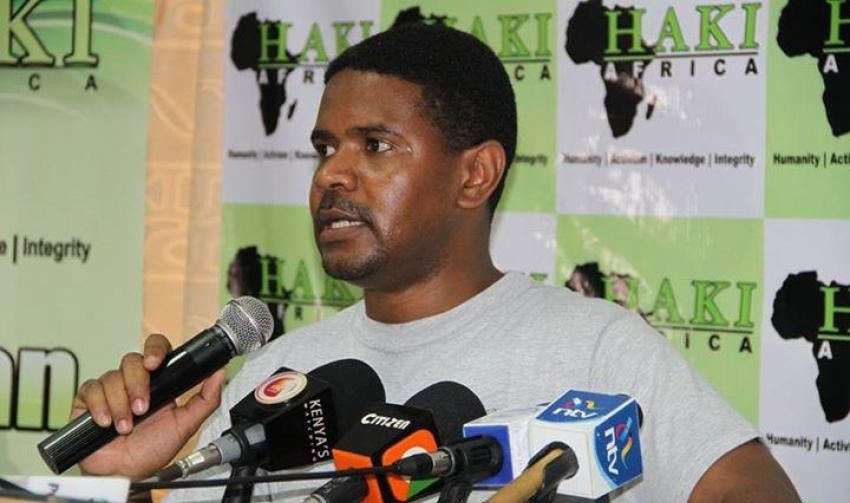
Hussein Khalid – Vocal Africa
Kenyan human rights activists, led by Vocal Africa, have declared solidarity with Tanzanians ahead of nationwide protests scheduled for tomorrow, December 9, despite authorities in Tanzania outlawing the demonstrations. The groups accuse President Samia Suluhu’s administration of escalating political repression, violent crackdowns, and widespread human rights abuses.
“Samia Suluhu has said there’ll be no protests tomorrow meaning she fears that Tanzanians will rise to demand for dignity and their rights,” said Francis Auma, Rapid Response Officer at Muslims for Human Rights.
Vocal Africa director Husein Khalid said Tanzanians have been pushing peacefully for electoral and constitutional reforms, only to be met with brutality.
“Tanzanians have peacefully called for change in their country, but the response they got was violence killings and disappearances from their government,” Khalid added.
The activists criticised the African Union’s declaration that the recent elections were free and fair, saying even some AU observers flagged irregularities. They urged continental leaders to speak out against the violations.
“We want to see the African Union and heads of states, standing with Africans in general, demanding justice for all atrocities committed during and after the elections,” said Khalid.
Khalid further called on Kenya to take a bold diplomatic stance.
“The Kenyan government should immediately recall the Kenyan ambassador to Tanzania, and close down the Tanzanian embassy as a show of solidarity to the people of Tanzania,” he added.
Walid Sketty of Vocal Africa accused the East African Legislative Assembly (EALA) of ignoring the crisis, insisting regional institutions cannot remain silent while member states suppress democratic freedoms.
“Our representatives for EALA are letting us down. Tanzanians are being murdered but no-one from the assembly is talking about it, some of them are even lawyers,” Sketty claimed.
Despite Tanzanian authorities insisting the protests are illegal due to lack of formal notification, Kenyan activists encouraged citizens to remain steadfast in demanding accountability and an end to state violence.
“We want to assure Tanzanians that we’ll stand with them during this difficult time and tomorrow we’ll be with them in solidarity, prayer and action,” said Khalid.
Tanzania has been on edge for months following a wave of public dissent over alleged electoral fraud, disputed results, and what rights groups describe as a tightening grip on civil liberties. The unrest intensified after the recent national elections, which opposition groups claim were marred by irregularities, intimidation, and restricted political space.
Human rights organisations have documented multiple cases of killings, enforced disappearances, arbitrary arrests, and violent clampdowns on protesters and opposition supporters. Security forces have been accused of using excessive force, including firing live ammunition and tear gas to disperse gatherings.
Despite these concerns, the African Union declared the election “free and fair,” a statement that drew criticism from civil society across East Africa, who argued that the AU failed to acknowledge reports of abuse on the ground.
Tanzanian authorities have since banned tomorrow’s nationwide demonstrations, insisting that organisers did not follow the required notification procedures. Opposition leaders, however, say the ban is part of a broader pattern of shrinking democratic space and criminalising dissent.
The planned protests are being championed by youth groups, civic movements and diaspora activists under a growing campaign demanding constitutional reforms, electoral justice, and an end to police brutality.
Kenyan activists say the situation mirrors earlier periods in Tanzania’s political history when dissent was met with aggressive state response, and warn that the region cannot afford to ignore signs of escalating authoritarianism.
