


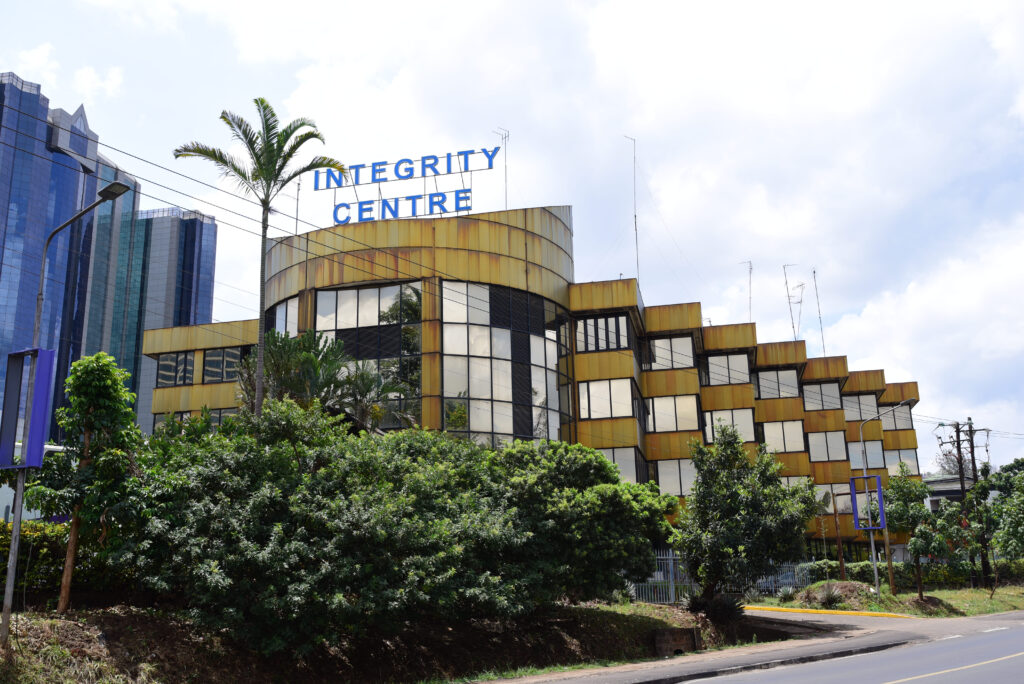
The Ethics and Anti-Corruption Commission (EACC) says its latest annual performance review highlights significant progress in tackling corruption across Kenya. According to the report, the Commission processed 4,183 corruption reports, opened investigations for 1,846 of them, and currently has 838 active cases under scrutiny. A total of 175 files were forwarded to the Director of Public Prosecutions (DPP) for further action.
Bribery continues to top the list of reported offences, followed by embezzlement of public funds, procurement fraud, abuse of office, and fraudulent disposal of public property.
“This rise in corruption reports reflects growing public confidence in EACC’s work,” the Commission said, emphasizing that heightened awareness and citizen engagement are driving increased reporting standards.
During the 12-month period, EACC concluded 54 corruption-related cases in court, resulting in 33 convictions. The agency also recovered KSh 3.4 billion in assets traced to illicit enrichment, property grabbing, and financial fraud. In addition, EACC traced assets worth KSh 22.9 billion, signaling a widening net against unexplained wealth under investigation.
“These recoveries send a clear message that corruption does not pay,” the Commission said. “Public resources must and will be returned to the people of Kenya.”
The latest achievements build on a solid track record. In the 2022/23 financial year, EACC recovered over KSh 6.6 billion in illicit assets. Between 2018 and 2021, the Commission reclaimed KSh 22.8 billion of corruptly acquired wealth and flagged nearly KSh 33 billion in illicit assets in its court files. Past high-profile recoveries include a 227-hectare farm returned to public ownership and numerous properties repossessed after illegal transfers.
“This year’s report comes at a time when the voice of the Kenyan people, particularly our youth, has risen with clarity, urgency, and passion. The Gen Z led protests reminded us that corruption is not an abstract concept, it affects livelihoods, access to public services, opportunities for advancement and ultimately, the social contract between citizens and the State.
Their message was simple yet profound, Kenya deserves better. Kenya demands integrity. At the Commission, this has always been our mission and the very foundation of our existence, ” EACC chair David Oginde stated .
To consolidate its successes, EACC is advocating for reforms under the proposed Anti-Corruption Laws (Amendment) Bill, 2025. The draft law aims to fast-track corruption cases and appeals within six months, expand EACC’s investigative powers over mobile-money and non-banking financial institutions, impose a 10-year ban from public procurement for convicted offenders, and formalize influence peddling as a criminal offence.
“The reforms will seal loopholes, shorten prosecution timelines, and enhance our ability to trace illicit financial flows,” the Commission said.
EACC credits part of its success to increased civic engagement. Over the past year, the Commission reached more than 93,000 citizens through community and market outreach campaigns and conducted corruption-prevention training in hundreds of schools and institutions nationwide. The agency says this “citizen-focused” strategy, combined with tougher laws, improved investigations, and strategic cooperation with prosecutors, has strengthened transparency and accountability.
“We remain acutely aware of the challenges that persist, weak enforcement of Chapter Six of the Constitution, Interference with witnesses, Growing threats and intimidation targeting our officers, Institutional silos that hinder coordinated action, rising public apathy and the normalization of unethical behaviour.These challenges cannot be tackled by EACC alone. They require the concerted effort of government, private sector actors, religious and community leaders, our partners and ultimately the collective resolve of all citizens,” Oginde added.
LANDMARK RECOVERIES
In December 2025, the EACC reclaimed a KSh 2.8-billion parcel of land previously part of Karura Forest and a training college site. The case, which had been in court for 18 years, ended with the illegal title being canceled.
Recovery suits filed recently value assets at approximately KSh 4.8 billion, including grabbed land, road-reserve parcels, and state lodges.
A high-profile case involves former Migori Governor Okoth Obado. In 2025, a plea-bargain agreement between Obado, co-accused persons, and prosecutors led to the State recovering over KSh 235.6 million in properties and vehicles allegedly linked to public fund misappropriation during his 2013–2017 tenure. Obado surrendered assets including a house in Loresho, commercial blocks, apartment buildings in Greenspan Estate and Suna East, and two Toyota Land Cruisers.
