


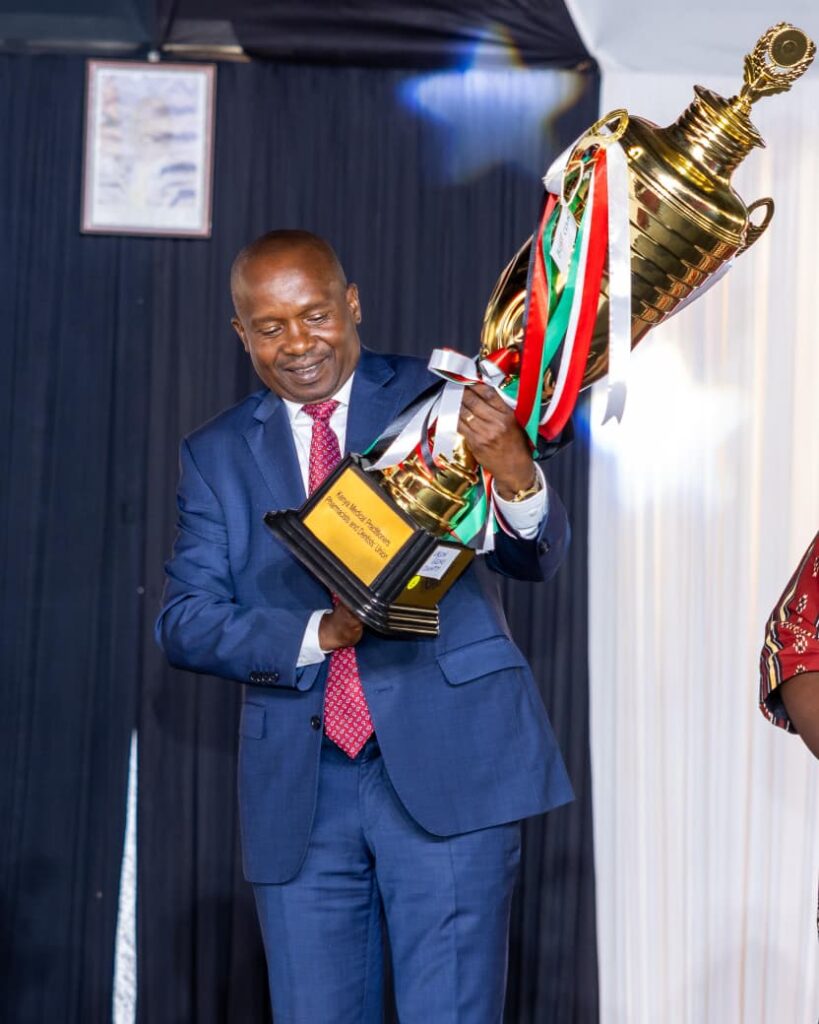
Deputy President Kithure Kindiki has issued a sharp warning over the rapid erosion of Kenya’s indigenous languages and cultural values, saying the country risks losing its identity if urgent action is not taken.
Speaking Monday during the closing ceremony of the 98th Kenya Music and Cultural Festival Gala in Eldoret, Uasin Gishu County, Prof. Kindiki said cultural heritage remains one of Kenya’s strongest pillars of unity and national continuity.
He reminded Kenyans that the Constitution obligates the state to preserve cultural diversity, arguing that language is at the centre of both personal and communal identity.
“Language and culture are the strongest form of identity one can have,” the Deputy President said. He added that neglecting mother tongue weakens the cultural foundation that anchors society.
Kindiki warned that the country’s focus on physical development roads, electricity, water and industrial growthshould not overshadow the urgent need to strengthen moral and cultural values, particularly among children.
“You can have very intelligent children, but if they lack morals, you end up with a generation that contributes little to society,” he said.
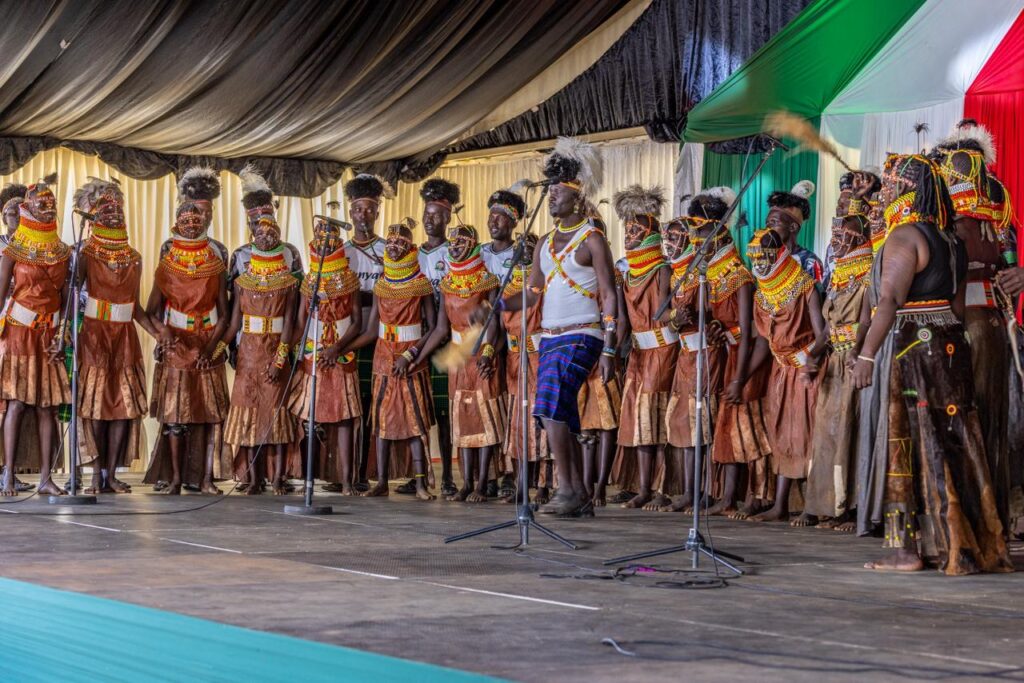
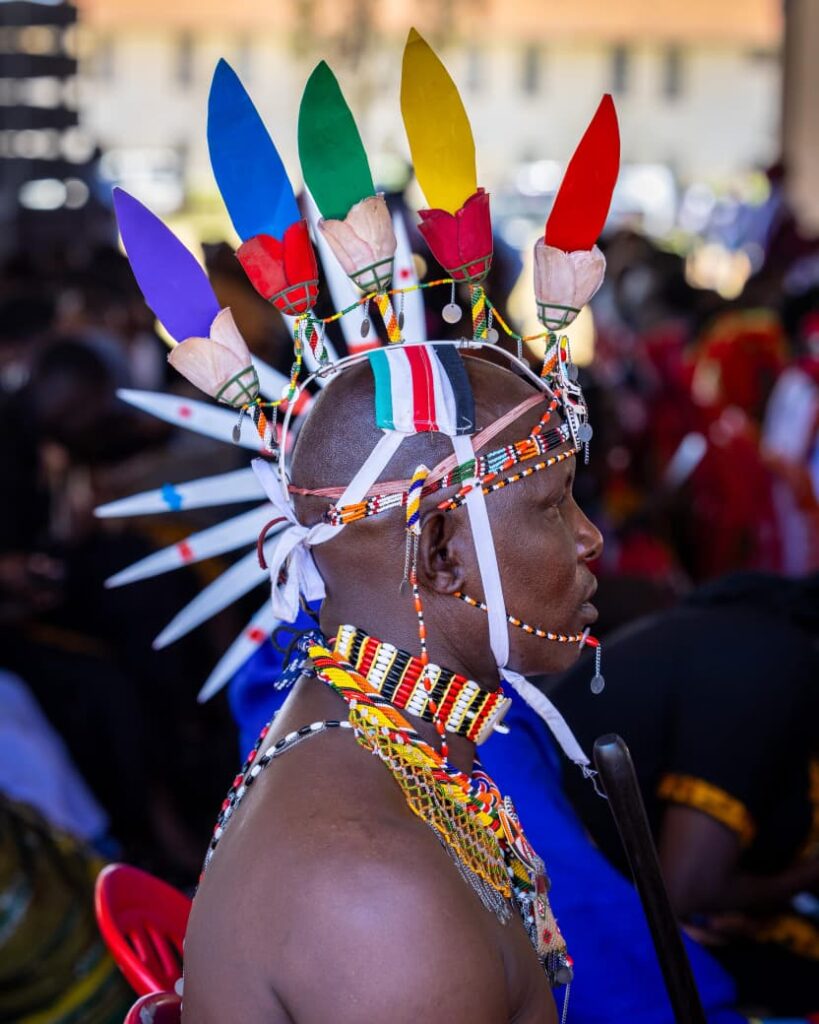
The Eldoret gala brought together performers from across the country, celebrating traditional dance, music, theatre, attire and indigenous cuisine. While praising the displays as proof of Kenya’s rich heritage, Kindiki expressed concern that a growing number of young people are increasingly detached from their roots and show diminishing respect for elders and traditions.
“We must work harder to transmit these values to our children and realign the moral foundation of our nation,” he said.
Turning to national development, the Deputy President highlighted progress under the Kenya Kwanza administration, revealing that the dualling of the Rironi–Mau Summit Highway is being expedited, with plans to extend it to Eldoret and eventually to Malaba. He also cited major gains in electricity access, noting that 10.6 million households are now connected to the grid, with universal access targeted by 2030.
He added that upcoming large-scale projects will rely more heavily on innovative financing models, including public-private partnerships and partial divestiture of state corporations.
The event was attended by Gender and Culture Cabinet Secretary Hanna Cheptumo, Culture and Heritage Principal Secretary Ummi Bashir, Uasin Gishu Governor Jonathan Bii, Kericho Governor Erick Mutai, and MPs Julius Rutto (Kesses) and Joseph Wainaina (Nominated).
