


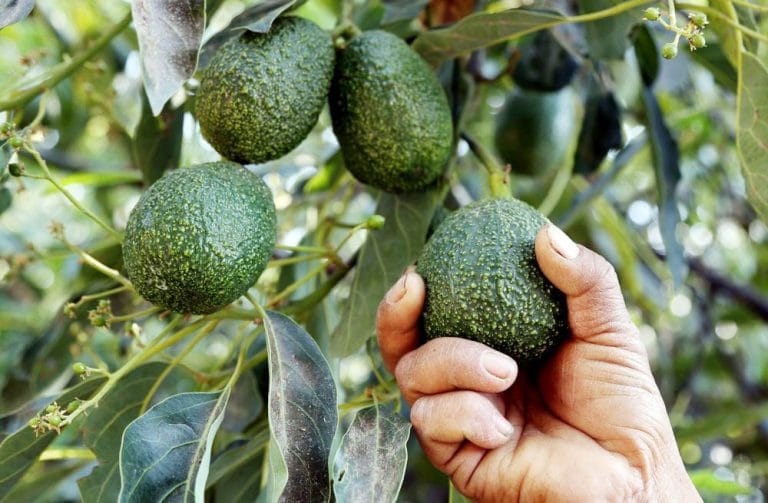
The Avocado Society of Kenya (ASK) is calling on farmers nationwide to take full advantage of the ongoing heavy rains to expand avocado cultivation and respond to rising global demand.
Speaking during a farmers’ engagement forum in Meru, ASK Chief Executive Officer Ernest Muthomi praised the government’s continued distribution of free seedlings, saying the initiative has encouraged more growers to venture into commercial avocado production.
Muthomi urged farmers to maximise both the favourable weather and government support to scale up national output.
“I am calling on farmers to take advantage of the heavy rains and plant more avocado. The government is issuing seedlings in many climate-friendly regions, including here in Meru, so let us embrace this initiative,” he said.

ASK Chief Executive Officer Ernest Muthomi
Muthomi emphasised that avocado farming remains one of Kenya’s most profitable agribusiness ventures, with strong potential to boost farmers’ income and contribute to national economic growth.
He noted that Kenya has already secured access to major export markets such as China and India, a development he said should motivate the country to significantly increase production.
“The demand for avocado is growing globally and we want the government to open more international markets for the crop,” he said.
Kenya currently grows three key varieties Fuerte, Jumbo and Hass with Hass continuing to dominate international markets.
According to Muthomi, Kenya aims to double its avocado export revenue from Sh15 billion to Sh30 billion annually in the next five years through expanded production and strengthened market access. He added that with sustained growth, earnings could rise to Sh50 billion.
“In the next five years, we aim to ensure the country earns Sh30 billion annually from avocado farming. Currently, avocado production earns Kenya about Sh15 billion,” he said.
He highlighted the opening of markets in China, Malaysia and India, noting that global consumers are increasingly embracing avocado because of its nutritional benefits.
Muthomi also pointed out disparities in county-level production. He urged regions with favourable climatic conditions but low output to invest more in the crop. For instance, while Murang’a earns between Sh8 and Sh10 billion annually from avocado farming, Nyeri generates only about Sh300 million, despite comparable soil suitability.
“If more farmers invest in this crop, they will earn more compared to what they get from other agricultural produce,” he said.
The CEO raised alarm over unscrupulous traders exporting unripe avocados a practice that continues to damage Kenya’s reputation in international markets.
“We have some greedy traders who have been exporting unripe avocado. This has been tarnishing our name as a country. We want our customers overseas to have a good avocado-eating experience, and we urge farmers to harvest mature fruits,” he said.
He called for strict quality enforcement to protect Kenya’s standing as a leading global supplier.
Muthomi said ASK continues to train farmers, provide technical guidance, and link growers to markets to ensure they meet export standards. The society also promotes best farming practices to improve yields and enhance product consistency.
He reiterated that avocado often referred to as “green gold” remains among the most promising cash crops for Kenyan farmers, particularly under current favourable weather conditions.
“As a country, we have the potential to dominate the global avocado market. What we need now is increased production, quality assurance and more farmers joining the value chain,” he said.
