


African countries are calling for equitable and timely access to long-acting HIV prevention and treatment innovations, warning that scientific advances alone will not end the epidemic without affordability and access.
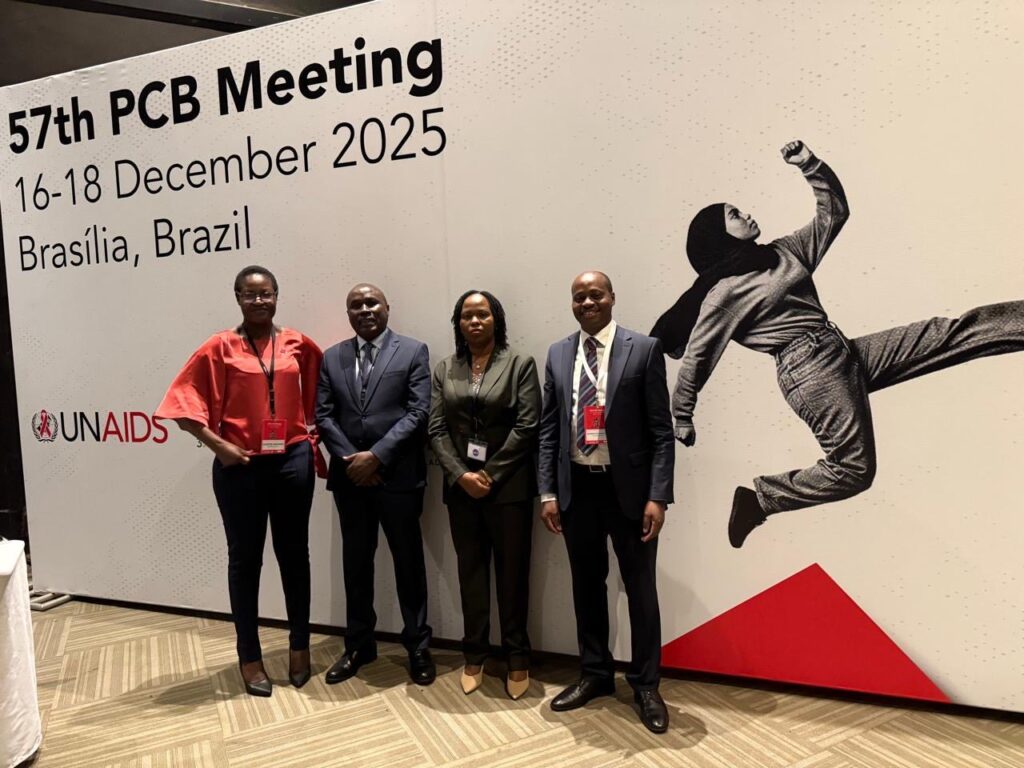
The call was made during a high-level UNAIDS meeting in Brazil, where Kenya’s National AIDS and STI Control Programme (NASCOP) Head, Dr Andrew Mulwa, delivered the Africa Regional Statement on behalf of African Member States.
Dr Mulwa highlighted the potential of long-acting antiretroviral therapies (ARVs) to address persistent gaps in HIV prevention and treatment, particularly for populations that struggle with daily oral medication.
“Long-acting HIV innovations offer an important opportunity to improve adherence and continuity of care, especially among populations for whom daily oral regimens remain a challenge,” he said, commending UNAIDS and technical experts for advancing practical solutions amid growing pressures on global health systems.
While Africa has made progress in reducing AIDS-related deaths and new infections through expanded ART access, significant gaps remain especially among pregnant and breastfeeding women.
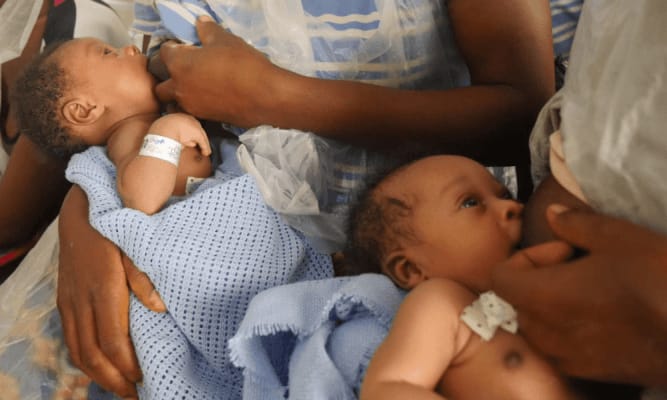
“Despite progress, interruptions in treatment and adherence challenges among pregnant and breastfeeding women continue to fuel mother-to-child transmission,” Dr Mulwa noted.
In Kenya, mother-to-child transmission (MTCT) remains above global elimination targets. According to the National Syndemic Diseases Control Council (NSDCC), the MTCT rate increased to 9.3 per cent in 2024, above the WHO target of 5 per cent. In 2023, approximately 3,742 babies acquired HIV, with 63 per cent of infant infections linked to mothers who did not receive or discontinued ART during pregnancy, delivery, or breastfeeding. No Kenyan county achieved the MTCT validation target, and several including Wajir, Mandera, Samburu, West Pokot, and Isiolo reported rates above 20 per cent.
Globally, progress has been notable. New HIV infections in children fell to an estimated 120,000 in 2024, down from 310,000 in 2010 a decline of roughly 62 per cent. Yet sub-Saharan Africa still accounts for over 90 per cent of new infections in children, with structural barriers like limited healthcare access, stigma, and socio-economic inequality hindering universal coverage.
Dr Mulwa stressed that long-acting ARVs should complement a person-centred, comprehensive response:
“Biomedical innovations must be integrated with behavioural interventions, condom use, community-led services and efforts to address stigma and legal barriers.”
The meeting coincided with WHO’s validation of Brazil for eliminating mother-to-child HIV transmission, making it the most populous country in the Americas to achieve this milestone a testament to sustained political commitment and equitable access to quality health services.
