


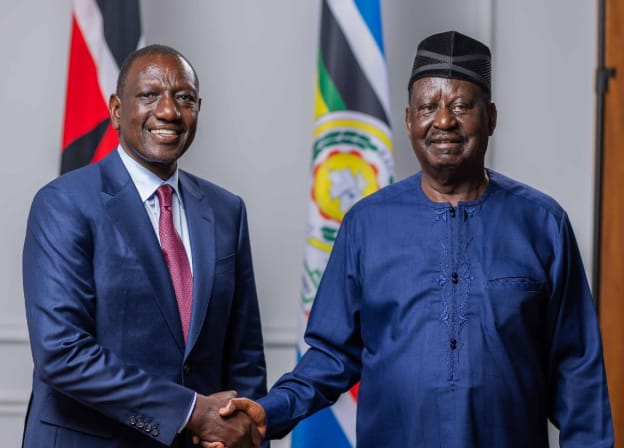
Support for Kenya’s broad-based government has doubled over the past six months, according to a new survey by TIFA Research, even as most households report worsening economic conditions.
The poll shows that approval of the political arrangement between President William Ruto and allies of the late former Prime Minister Raila Odinga rose from 22 per cent in May to 44 per cent by November 2025. Over the same period, opposition declined to 48 per cent, the lowest level recorded since TIFA began tracking public sentiment on the issue.
The findings are based on interviews with 2,053 adults conducted across all 47 counties between October 10 and November 17, 2025.
TIFA notes that resistance to the arrangement peaked in August at 64 per cent, a period when public anger was heightened by the violent suppression of nationwide protests in June and July. Since then, opposition has steadily eased, suggesting a gradual shift in public attitudes.
The broad-based government took shape last year after President Ruto backed Raila Odinga’s unsuccessful bid for African Union Commission chairperson. The move paved the way for a political partnership that effectively ended ODM’s role as the official parliamentary opposition.
TIFA says the survey suggests that as the arrangement has evolved and the initial political shock has worn off, more Kenyans have either accepted or warmed to the idea of a broad-based government. However, opposition remains significant, with nearly half of the population still opposed.
The survey was launched just weeks before Raila Odinga’s death on October 15, while he was receiving medical treatment in India.
Despite the growing political acceptance, the same TIFA report paints a bleak picture of household economic wellbeing. According to the findings released on December 18, 67 per cent of Kenyans say their households are economically worse off than they were at the time of the August 2022 general election. Only 22 per cent report being better off, while 16 per cent say their situation has remained unchanged.
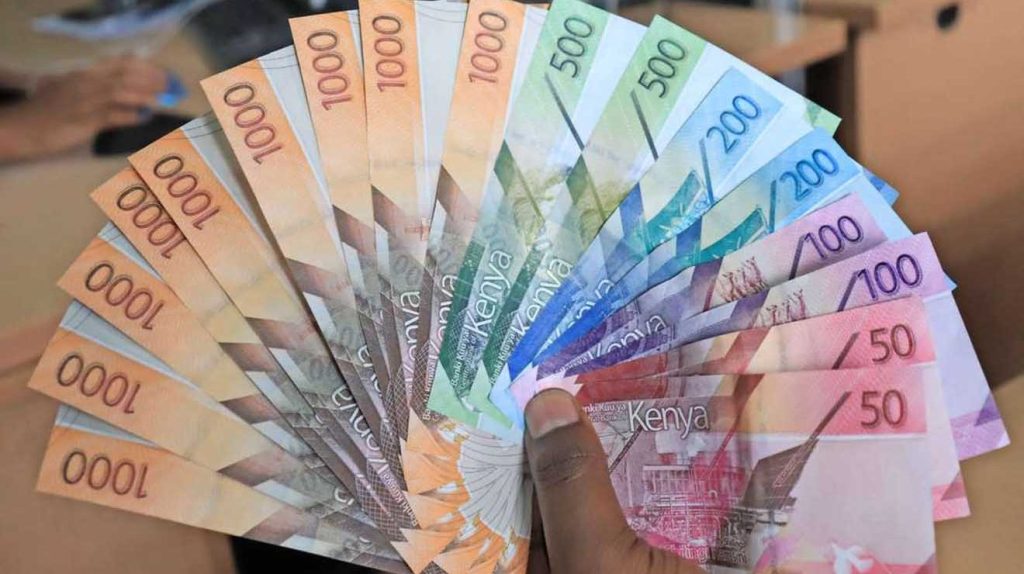
Economic hardship also emerged as the country’s most pressing concern. When asked to identify the single most serious problem facing Kenya, 44 per cent cited unemployment, poverty, hunger or a weak economy, while another 23 per cent pointed to high prices, inflation and taxes. Combined, economic issues accounted for 67 per cent of all responses.
Corruption ranked a distant second at 20 per cent, with other challenges such as leadership, healthcare and education attracting only single-digit responses.
The findings suggest that while political tensions around the broad-based government may be easing, economic pressures continue to dominate public anxiety.
