


For many Kenyans, land is more than property. It represents security, inheritance, and livelihood.
Across the country, families continue to wait for title deeds, communities seek compensation when land is acquired for public infrastructure, and long-standing disputes over ownership remain unresolved for years. These are issues that eventually find their way to the National Land Commission (NLC), the constitutional body mandated to manage public land and advise government on land policy.
As nominees to the Commission prepare to face parliamentary vetting by the National Assembly’s Departmental Committee on Lands, attention is also turning to the technical team that keeps the institution running behind the scenes.
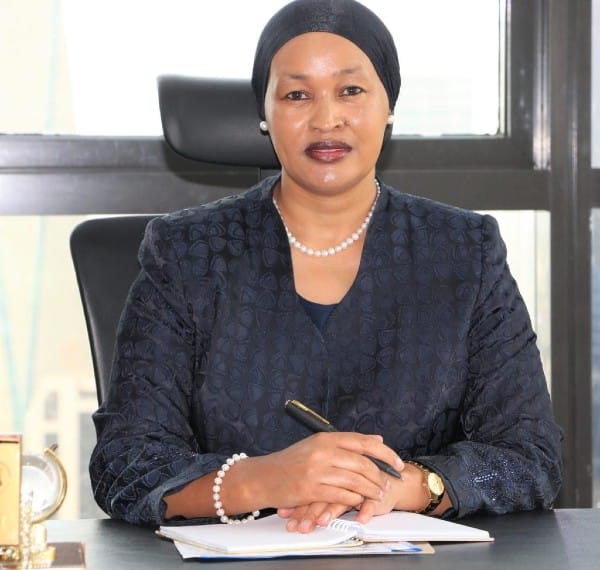
At the centre of this team is the NLC Secretariat led by Chief Executive Officer Kabale Tache. As the country reflects on conversations sparked by International Women’s Day, Tache’s leadership highlights the growing role of women steering key governance institutions.
Land ownership has historically remained uneven in Kenya, particularly for women. Although women form the backbone of agricultural production in many rural areas, (about 60–80%), studies suggest that only a small percentage (less than 2% of land titles are held by women alone) of land titles are registered in women’s names. Analysts say cultural inheritance practices and historical legal barriers have contributed to this gap, even as the Constitution of Kenya 2010 guarantees equal rights to land ownership.
Tache first assumed leadership of the Secretariat in December 2018 as Acting CEO during a period when the Commission was facing intense scrutiny and institutional challenges. She was later confirmed as the substantive CEO in June 2023 and now oversees the day-to-day operations of a multidisciplinary team made up of surveyors, land administrators, valuers, land use planners, legal experts and natural resource specialists.
While Commissioners provide strategic direction and oversight, the Secretariat performs much of the technical work that shapes decisions affecting land ownership, public land management, and land use planning across the country.
The team supports the Commission in managing public land on behalf of national and county governments, processing compulsory land acquisition for public development projects, handling lease renewals and extensions, and supporting investigations into historical land injustice claims.
For many Kenyans, these processes are not abstract policy issues but deeply personal matters that determine whether families receive title deeds, whether communities are fairly compensated for acquired land, or whether decades-old disputes are resolved.
Over the years, the Commission has also developed internal operational systems designed to support this work, including technical directorates, policy guidelines, and standard operating procedures aimed at improving transparency and consistency in handling land matters. These structures are expected to provide continuity as Parliament vets the incoming Commissioners who will soon join the Commission.
Governance experts note that while Commissioners provide strategic oversight, the Secretariat plays a critical role in providing the technical expertise and institutional memory needed to translate policy decisions into action.
For Tache and her team, the work remains closely tied to the everyday realities of Kenyans navigating land ownership and governance in a country where land continues to shape opportunity, security, and conflict and where the growing presence of women in leadership signals change for the future of land justice.
