


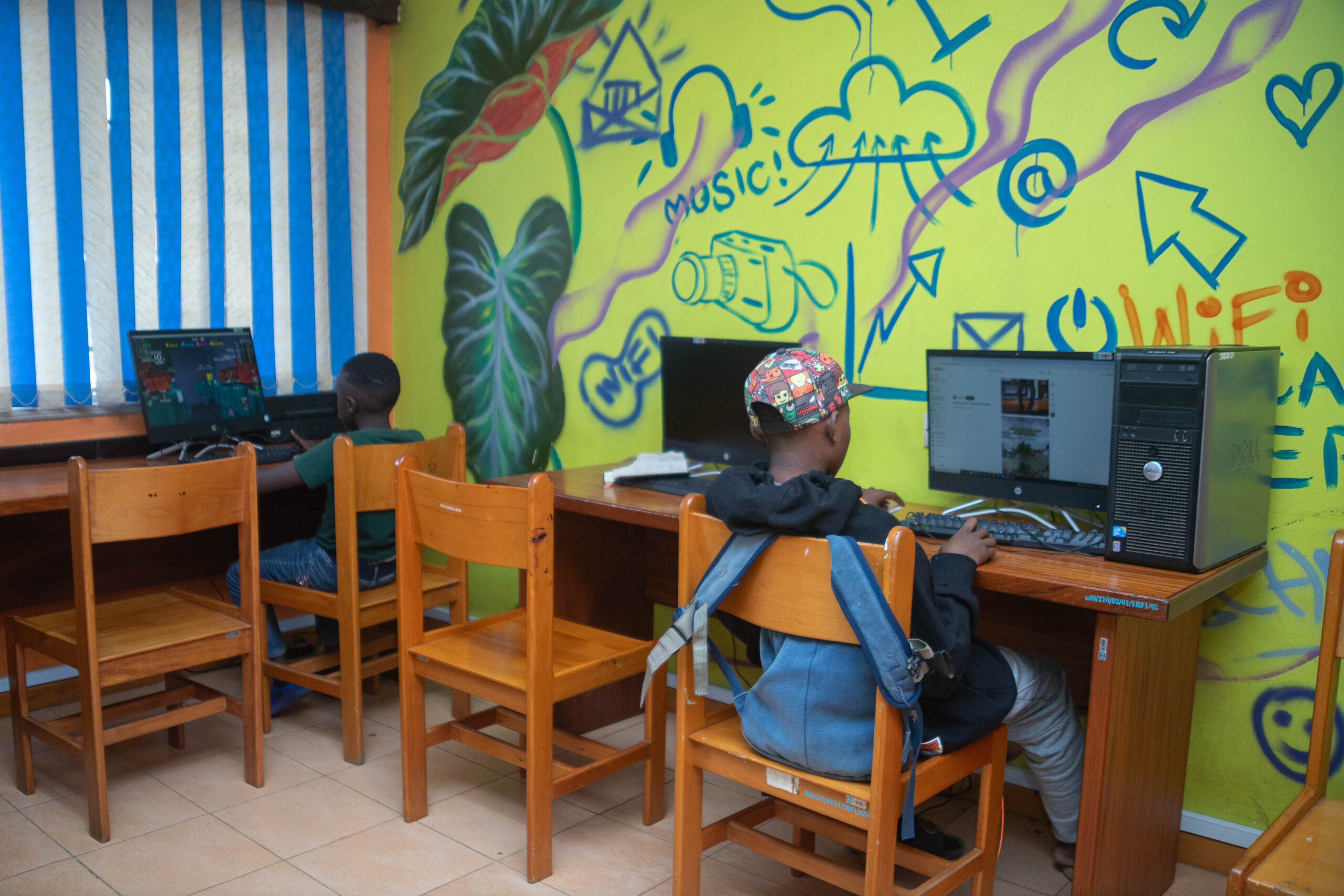
During the day, *Kevin looks like many young men his age. He laughs easily with friends, shows up when needed and carries himself with quiet determination. To the outside world, he appears steady grounded even. But when night falls and the noise fades, the silence becomes heavy.
“That’s when everything comes back,” he says softly. “When I sit alone at home at night, I find myself crying. I start asking myself why others still have parents, and I don’t.”
*Kevin is not his real name. Like many young people grappling with mental health challenges, he fears stigma, judgment and being misunderstood. What few people know is that by the age of six, he had lost both his parents. The grandparents who raised him are also gone. This year, he lost the last pillar in his life his grandfather.
“I don’t have someone I can call when I’m in trouble. I don’t have someone who can correct me when I’m wrong,” he says. “Not all the time I’m right, but there’s no one to scold me, no one to guide me.”
Living Among People, Yet Alone
Kevin’s story mirrors that of many young people experiencing social isolation not necessarily being physically alone, but feeling emotionally unseen and unsupported. He says even those closest to him have no idea what he is carrying.
“My friends just see me happy. Even they don’t know,” he explains. “I’ve never really opened up. I carry everything inside.”
The absence of family support has shaped his relationships and sense of self-worth. He says it has made it difficult for him to understand love, boundaries and emotional balance.
“I want to love. I want to know what love means,” Kevin says. “But I don’t think I understand it. Even in relationships, I find myself taking blame even when I’m not wrong, because I don’t know how to stand for myself.”
Without parents or stable guardians, Kevin lives with constant anxiety about the future how he will survive, whether he will succeed, and who will be there if he fails.
A Silent Pandemic Among the Youth
Mental health experts say Kevin’s experience reflects a broader crisis among young people, where grief, poverty, broken family structures and weak support systems leave many feeling invisible.
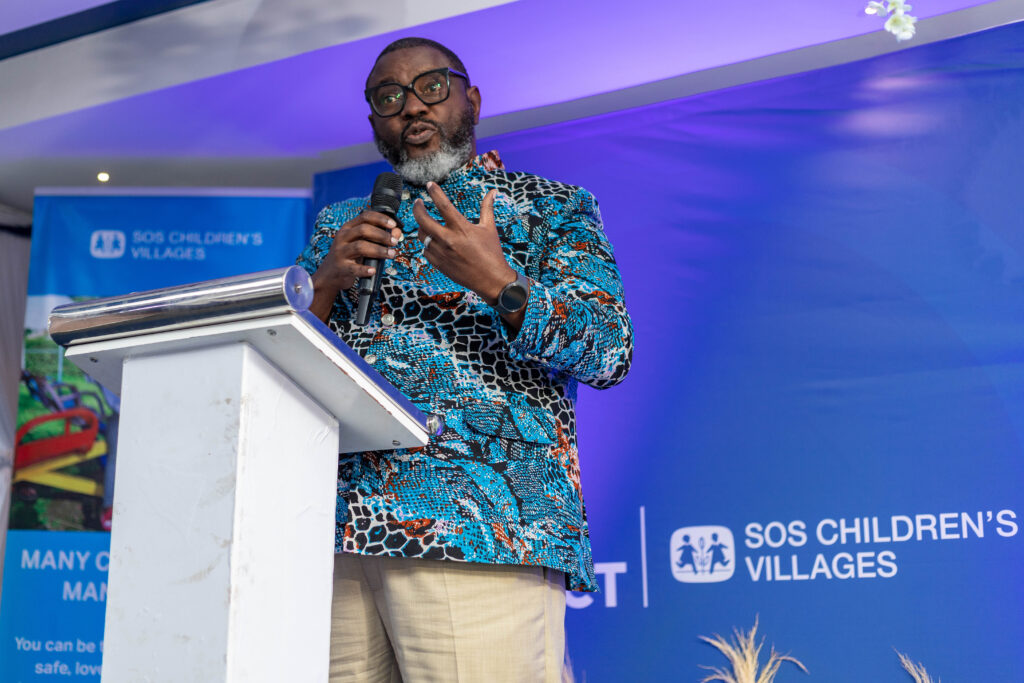
“Just because of the nature of the life they find themselves in, a lot of children and young people feel invisible. They feel isolated. They feel not seen,” says Walter Odhiambo, National Director, SOS Children’s Villages Kenya.
“They feel excluded. And this compounds some of the challenges they already have. One of the resolutions from our research was to look for partners who share the same thinking ,to work together and ensure those who feel isolated, unseen and excluded are brought into the fold, making this world a better place for everybody.”
Globally, social isolation has been described as a “silent pandemic.” Studies show it can be as harmful to health as smoking 15 cigarettes a day, and has been linked to depression, heart disease, stroke and reduced productivity.
According to the World Health Organization (WHO), one in seven adolescents aged between 10 and 19 lives with a mental disorder, with mental health conditions accounting for 15 per cent of the global disease burden in this age group. Depression, anxiety and behavioural disorders remain among the leading causes of illness and disability among adolescents, while suicide ranks as the third leading cause of death globally among young people aged 15 to 29.
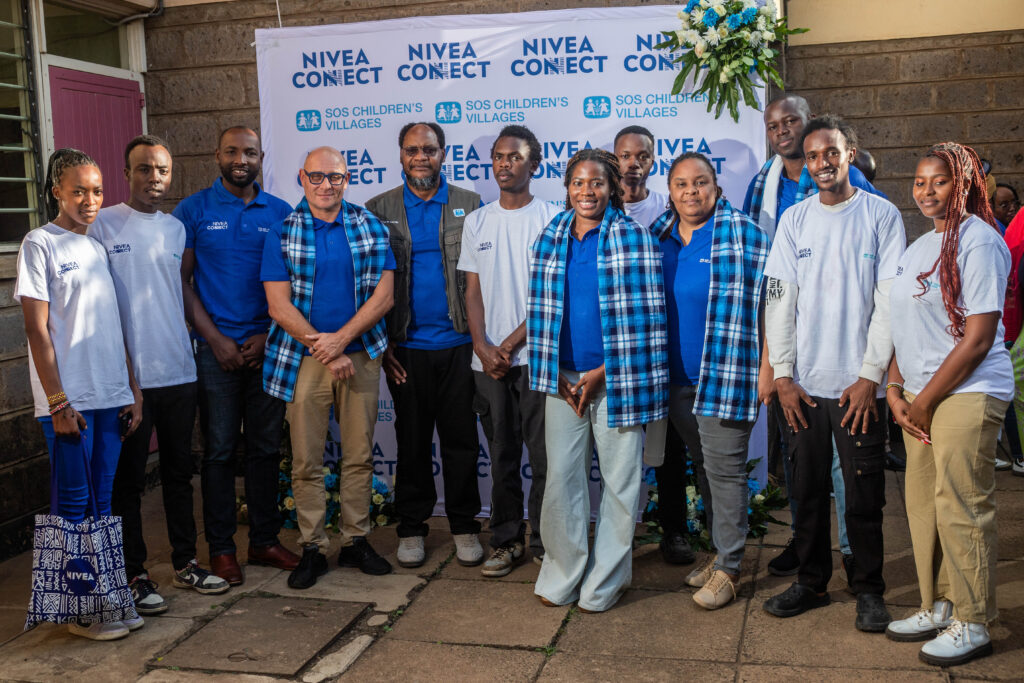
NIVEA, SOS Children’s Villages Kenya Launch National Drive
Against this backdrop, NIVEA Kenya has partnered with SOS Children’s Villages Kenya to address youth social isolation through the NIVEA Connect 2025 programme.
The initiative was launched at the Beiersdorf offices in Nairobi and aims to strengthen emotional resilience, expand mental health support systems and foster meaningful human connections for thousands of young Kenyans.
“Loneliness and social isolation have emerged as critical public health challenges affecting emotional stability and physical well-being,” said Fiyin Toyo, Marketing Director CEWA, Beiersdorf.
“This partnership is about seeing the strengths that SOS Children’s Villages Kenya brings, and the strengths NIVEA brings, and working together to make meaningful impact in addressing social challenges affecting children, young people and families.”
Toyo noted that one in five people globally experiences loneliness, which has been linked to conditions such as hypertension, type 2 diabetes and dementia.
“If one in five people are affected, one in three young people have an increased likelihood of anxiety, depression and other mental health disorders,” she said. “That is why this initiative starts with children and youth it begins early.”
Delphine Nthia, Skin Care Brand Manager, underscored the power of connection:
“Research shows that strong social connections can increase life expectancy by up to 50%. Yet millions of young people feel disconnected. Through NIVEA Connect, we’re turning this insight into action.”
The NIVEA–SOS programme will implement a range of nationwide interventions aimed at strengthening youth mental health. These include the expansion of wellness spaces and the digitisation of mental health resources to reach underserved communities, the establishment of youth peer-support networks, and the training of mental health champions in schools and communities. The programme will also introduce school-based initiatives focused on emotional regulation, stress management, and resilience-building.
“We are thrilled to join hands with NIVEA Connect to support emotional wellbeing in our communities,” said Diana Etsabo, Head of Fund Development and Communication, SOS Children’s Villages Kenya.
Youth: ‘We Are Hurt, But Not Heard’

For many young people, social isolation is amplified by judgment, lack of support and the pressures of social media.
“I think mental health is a topic well known, but not a lot of people understand it,” said Kate Wangari, a Kenyan youth. “Most youth get lost in social media, pressures, relationships and family problems. They don’t know how to cope.”
Her peer, Ian Kariuki, adds:
“People are hurt, but after speaking, there is no response. That’s why many youth retreat into silence. There is no support to back what they say.”
They both agree that young people need space, understanding and trust.
“The world has changed,” Kate says. “The way youth interact today is not how it was in the past.”
Understanding the Psychology of Isolation
Psychologist Cleopa Njiru explains that social isolation among young people is often rooted in grief, anxiety, depression and unresolved childhood trauma.
“Withdrawal can be a symptom of depression or anxiety,” he explains. “It can also stem from puberty-related changes, where young people struggle to separate emotions from thoughts.”
Unprocessed grief, he says, plays a critical role especially for children who lose parents early.
“In many communities, children are not allowed to grieve. They are removed from mourning spaces, and death is never discussed. Those emotions don’t disappear they resurface later.”
Njiru warns that unresolved grief can affect attachment, relationships and trust well into adulthood, often leading to cycles of withdrawal and emotional confusion.
Isolation, Addiction and a Systemic Failure
Njiru also links social isolation to rising cases of substance abuse among young people.
“Alcohol and drugs become a form of self-medication,” she says. “After COVID-19, alcohol became easily accessible even children can buy it.”
According to NACADA, substance use is rising among adolescents, some as young as 10 years old.
“Availability, stress, social pressure and lack of supervision are key drivers,” Njiru notes. “Their brains are still developing, making addiction more likely.”
Njiru says tackling youth isolation requires a collective effort—from families, communities, institutions and government.
“We need quality time with children, early intervention, stronger enforcement of laws, and programmes that meet young people where they are including on social media.”
He adds:
“This is not one person’s responsibility. It requires parents, churches, schools, government and media working together.”
For Kevin, healing is ongoing. The nights are still long. The questions still come. But so does hope.
“I want a future,” he says quietly. “I don’t want to be defined by what I lost but by what I become.”
“This programme is research-based. Our survey with Ipsos shows that one in four young people will be affected by social isolation, which is why we launched this global platform in partnership with SOS Children’s Villages to reach and support as many young people as possible,” said Mathieu Lessasseur, General Manager, CEWA Beiersdorf.
