


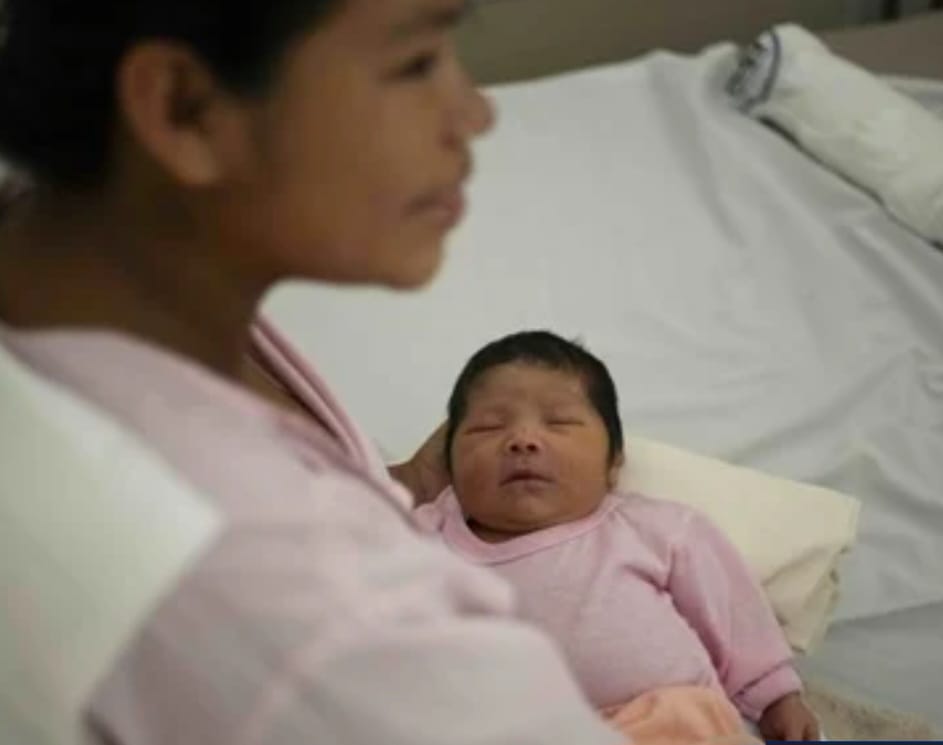
Photo courtesy : WHO
The World Health Organization (WHO) has validated Brazil for eliminating mother-to-child transmission of HIV, marking a major public health milestone and making it the most populous country in the Americas to achieve the designation.
The validation recognises Brazil’s sustained investment in universal health care through its Unified Health System, which prioritises early HIV testing, free treatment, and comprehensive maternal and child health services.
WHO Director-General Dr Tedros Adhanom Ghebreyesus described the achievement as a significant global health success.
“Eliminating mother-to-child transmission of HIV is a major public health achievement for any country, especially for a country as large and complex as Brazil,” said Dr Tedros. “Brazil has shown that with sustained political commitment and equitable access to quality health services, every country can ensure that every child is born free of HIV and every mother receives the care she deserves.”
Brazil met the WHO criteria by reducing mother-to-child HIV transmission to below internationally agreed thresholds while maintaining more than 95 per cent coverage of essential prenatal services. These include routine HIV testing during pregnancy, timely initiation of antiretroviral treatment, and continued care for mothers and infants.
The validation was marked during a ceremony in Brasília attended by senior government officials, health leaders, and representatives from global health agencies, including WHO, UNAIDS, and the Pan American Health Organization (PAHO).
PAHO Director Dr Jarbas Barbosa said the milestone demonstrates what is possible when health systems are strengthened and services are delivered equitably.
“This achievement shows that eliminating vertical transmission of HIV is possible when pregnant women know their HIV status, receive timely treatment, and have access to maternal health services and safe delivery,” said Dr Barbosa. “It is also the result of the tireless dedication of thousands of health professionals, community health workers, and civil society organizations.”
Brazil’s success is part of broader regional efforts to eliminate mother-to-child transmission of HIV and other infectious diseases, supported by international partners including WHO, UNICEF, and UNAIDS. The achievement also reflects progress in addressing social and structural barriers that have historically limited access to care.
UNAIDS Executive Director Winnie Byanyima said Brazil’s validation was achieved by applying proven public health strategies.
“Brazil’s achievement shows that when countries apply what we know works universal health coverage, protection of human rights, and access to medicines elimination is possible,” she said.
Brazil now joins a growing number of countries and territories worldwide that have been validated by WHO for eliminating mother-to-child transmission of HIV, offering a model for other nations working to end paediatric HIV and ensure healthier outcomes for mothers and children.
