


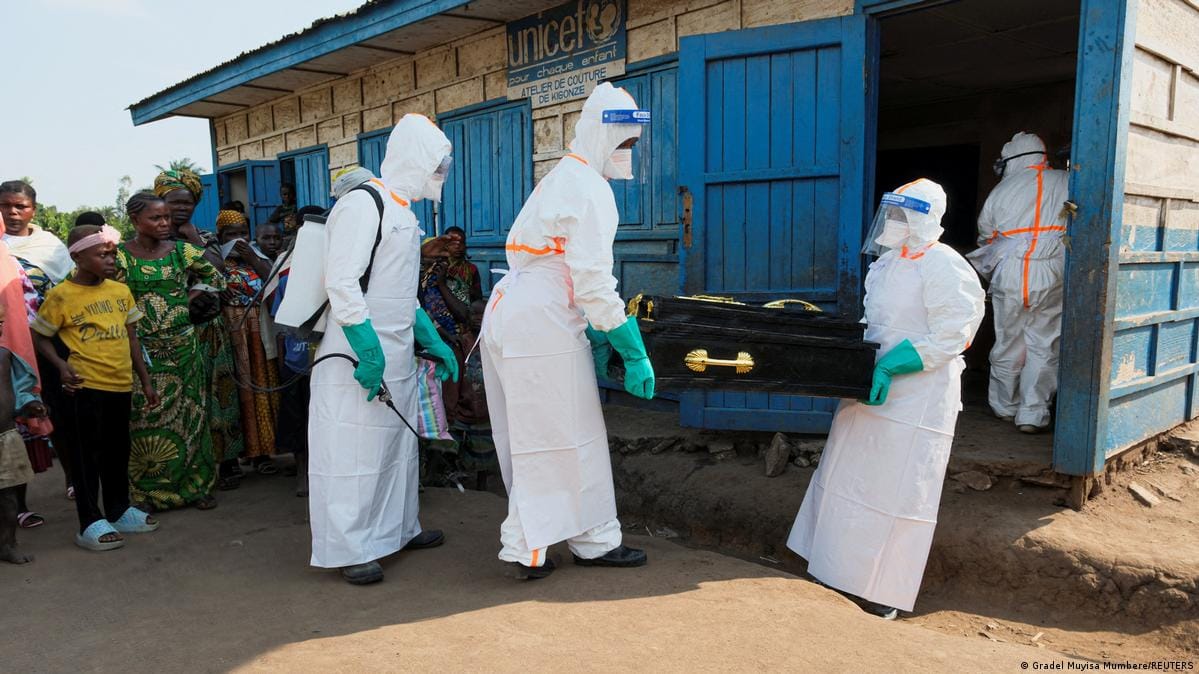
The Africa Centres for Disease Control and Prevention (Africa CDC) has mobilised about US$1.5 million in financial and technical assistance to support Kenya’s Ebola response as infections in the Democratic Republic of Congo (DRC) surpass 10,000.
The assistance will include deploying 10 African public health experts, supplying laboratory reagents and diagnostic test kits, and strengthening surveillance, contact tracing and case management, Africa CDC Director-General Dr Jean Kaseya said.
The support comes as Kenya reports nine confirmed cases of Bundibugyo Ebola virus disease, including two deaths, amid growing concern over cross-border transmission.
Kenya has also received more than US$2 million, equivalent to approximately Sh259 million, from the United Nations through the Kenya Humanitarian Fund to reinforce preparedness and response activities.
Africa CDC is separately providing equipment worth about US$350,000 to strengthen Kenya’s Public Health Emergency Operations Centre and improve coordination during public health emergencies.
The agency said the assistance would support national efforts to detect infections early, trace exposed individuals and respond quickly to suspected cases.
In an earlier statement on the outbreak, Dr Kaseya underscored the importance of tracking contacts to interrupt transmission.
“To interrupt this outbreak, we must know where every contact is, follow them, and rapidly identify anyone who develops symptoms before they transmit the virus to their family, community or across borders,” he said.
The UN funding will support government-led interventions, including surveillance at border crossings, training for rapid response teams, emergency health and infection prevention supplies, and public awareness campaigns on Ebola prevention and early detection.
The Kenya Humanitarian Fund is managed by the UN Office for the Coordination of Humanitarian Affairs (OCHA).
The additional assistance comes as the outbreak in the DRC continues to take a heavy toll. Data from the country’s public health institute showed that confirmed infections had reached 10,060, with 4,887 deaths reported as of October 25.
The outbreak, announced in May, has become the DRC’s largest and deadliest Ebola epidemic, increasing pressure on neighbouring countries to strengthen surveillance and preparedness.
The regional risk has been underscored by imported infections reported in Kenya and Nigeria, while Uganda has also reported cases linked largely to the DRC. The World Health Organization declared Uganda Ebola-free in August.
Nigeria’s first confirmed patient in the current outbreak has been medically evacuated to Switzerland for treatment.
The response faces an additional challenge because there is no approved vaccine specifically for Bundibugyo virus disease. Clinical management relies on supportive care, while research continues into potential vaccines.
A vaccine trial known as TUMAINI, meaning “hope” in Swahili, began in Bunia in the DRC on October 23. The trial aims to generate evidence on vaccine candidates against the virus, with support from the World Health Organization and other partners.
Kenya has requested 10,000 vaccine doses through Africa CDC and WHO for healthcare workers and other frontline responders.
The additional funding and technical assistance are expected to reinforce Kenya’s surveillance, laboratory and response capacity as authorities work to identify infections, monitor contacts and protect health workers.
The effectiveness of the support will depend on how quickly the resources are deployed and translated into action on the ground.
